Beyond the Beach: Unpacking Jamaica's Iconic Flavors
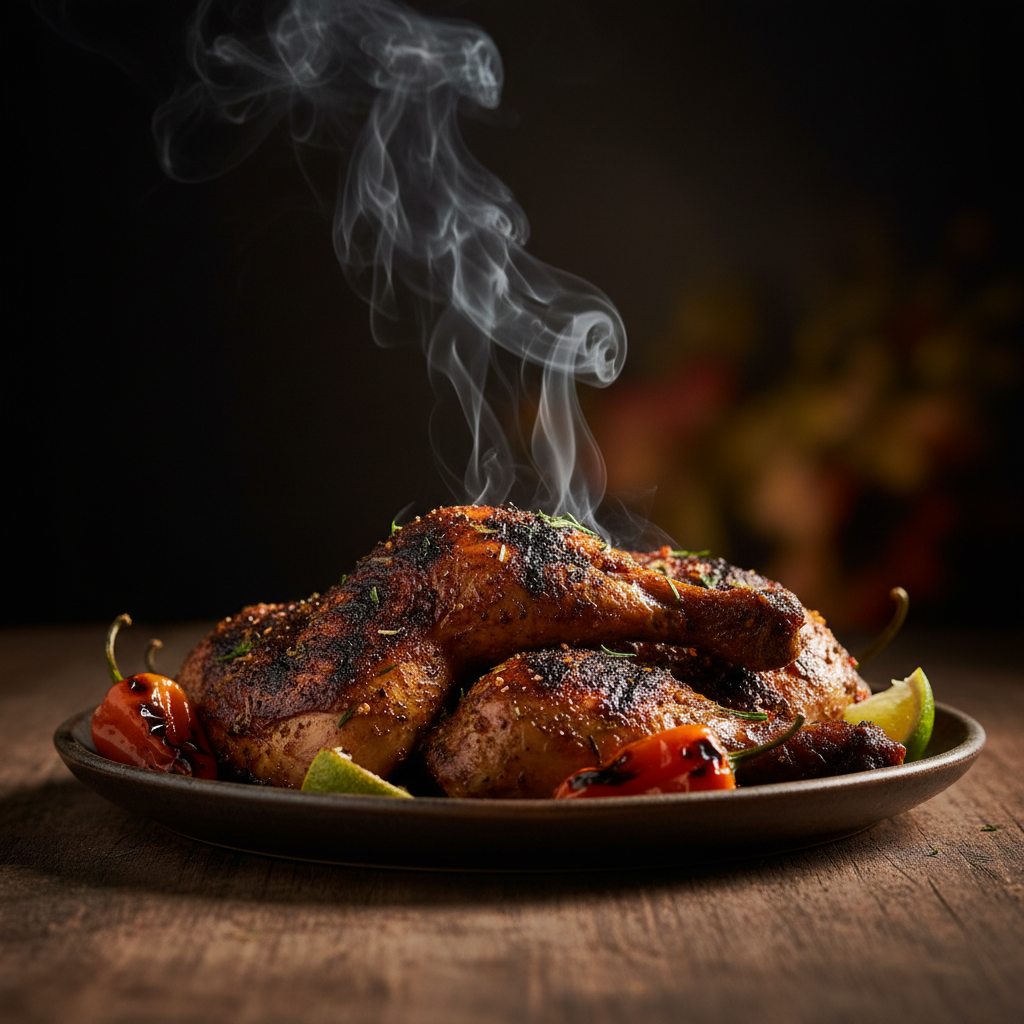
This article explores the history, preparation, and cultural significance of Jamaica's most famous dishes: jerk chicken, ackee and saltfish, and patties, delvin
Beyond the Beach: Unpacking Jamaica's Iconic Flavors Jamaica's culinary landscape is as vibrant and captivating as its music and culture. From the smoky allure of jerk to the comforting embrace of ackee and saltfish, these dishes tell a story of ingenious cooking techniques, resourceful ingredient use, and a rich tapestry of flavors. They’re more than just meals; they are cultural touchstones, deeply woven into the fabric of Jamaican life. The Science of Smoke: The Enduring Appeal of Jerk Chicken Few dishes evoke Jamaica quite like jerk chicken. Its distinctive flavor, a complex interplay of spice and smoke, has a fascinating origin story, rooted in the resourcefulness of the Maroons in regions like Portland. The magic begins with the pimento wood, Pimenta dioica, which lends a uniquely aromatic smoke. This wood is rich in compounds like eugenol and caryophyllene, which contribute to its signature peppery and clove-like notes as it smolders beneath the meat. The jerk marinade itself is a masterclass in flavor building. Scotch bonnet peppers (Capsicum chinense) provide the intense heat, thanks to capsaicinoids like capsaicin, which can register between 100,000 and 350,000 Scoville Heat Units (SHU). This fiery kick is balanced by the warm, earthy notes of allspice berries (also from Pimenta dioica), the herbaceous freshness of thyme (Thymus vulgaris), and the pungent aromatics of scallions (Allium fistulosum), ginger (Zingiber officinale), and garlic (Allium sativum). This potent blend isn't just for flavor; the long marination, often 12-24 hours, allows enzymes in the spices to begin breaking down meat proteins, contributing to tenderness. Acidic components, perhaps from a splash of vinegar or citrus, further aid this process. The slow cooking over those pimento wood fires, typically at 225-275°F (107-135°C), ensures a deeply smoky exterior and a remarkably juicy interior. Jerk chicken is more than just a dish; it's a celebration, found everywhere from bustling street corners to family gatherings. A National Treasure: The Story of Ackee and Saltfish Jamaica's national dish, ackee and saltfish, is a testament to the island's ability to transform diverse ingredients into something truly iconic. At its heart is the ackee fruit (Blighia sapida), a fruit native to West Africa that arrived in Jamaica in the late 18th century. Understanding ackee is crucial: only the arils, the fleshy yellow parts surrounding the seeds, are edible, and only when the fruit has naturally opened on the tree. Unripe ackee contains hypoglycin A and B, toxins that can lead to Jamaican Vomiting Sickness, underscoring the importance of proper harvesting. When correctly prepared, ackee offers a creamy, slightly nutty flavor and a texture often likened to scrambled eggs. The other half of the duo is saltfish, typically salted cod (Gadus morhua). This preserved fish product is a marvel of food science. Curing with significant amounts of salt, often 25-30% by weight, draws out moisture and halts microbial growth, allowing for long-term storage without refrigeration. Before cooking, the saltfish undergoes a crucial desalination process, involving soaking in water, often with multiple changes, to reduce its sodium content. The dish comes together by sautéing boiled ackee and flaked saltfish with a vibrant medley of onions (Allium cepa), tomatoes (Solanum lycopersicum), a touch of Scotch bonnet pepper, and various spices. Nutritionally, ackee is a good source of healthy fats (around 15-20% unsaturated fatty acids) and protein, while saltfish contributes significant protein and omega-3 fatty acids, even after its journey through salting and desalting. The Portable Pleasure: Jamaican Patties For a quick, satisfying bite, the Jamaican patty reigns supreme. This ubiquitous snack is defined by its distinctive, often turmeric-yellow crust. The color isn't just for aesthetics; it typically comes from adding a small amount of turmeric powder (Curcuma longa), usually around 0.5-1% by weight of flour, to the dough. The patty's signature flakiness is achieved through a technique similar to puff pastry, where layers of butter or shortening are folded into the dough, creating delicate, airy layers when baked. While seasoned ground beef is the most classic filling, often spiced with Scotch bonnet, thyme, onions, and garlic, the variety is broad. You'll find curried chicken, curried goat, vegetable, and even ackee fillings, each with its own proprietary spice blend. Unlike many savory pastries, Jamaican patties are typically baked, not fried, at temperatures around 375-400°F (190-205°C). This baking process yields a wonderfully crisp exterior that gives way to a tender, flavorful interior. Patties are a true cultural staple, readily available in bakeries, supermarkets, and street stalls, offering a convenient and deeply satisfying taste of Jamaica. For those in the Toronto area eager to experience authentic Jamaican flavors, Mr. Jerk in North York offers a genuine taste of the island. Located at 3050 Don Mills Rd N (Peanut Plaza), this establishment has been serving the community since 1986 and is one of the few still using real charcoal for their jerk. You can reach them at 416-491-3593.