Beyond the Plate: The Gut-Healing Power of Jamaican Spices
This article explores how traditional Jamaican spices like allspice, ginger, and Scotch Bonnet, along with culinary techniques like jerking and slow cooking, co
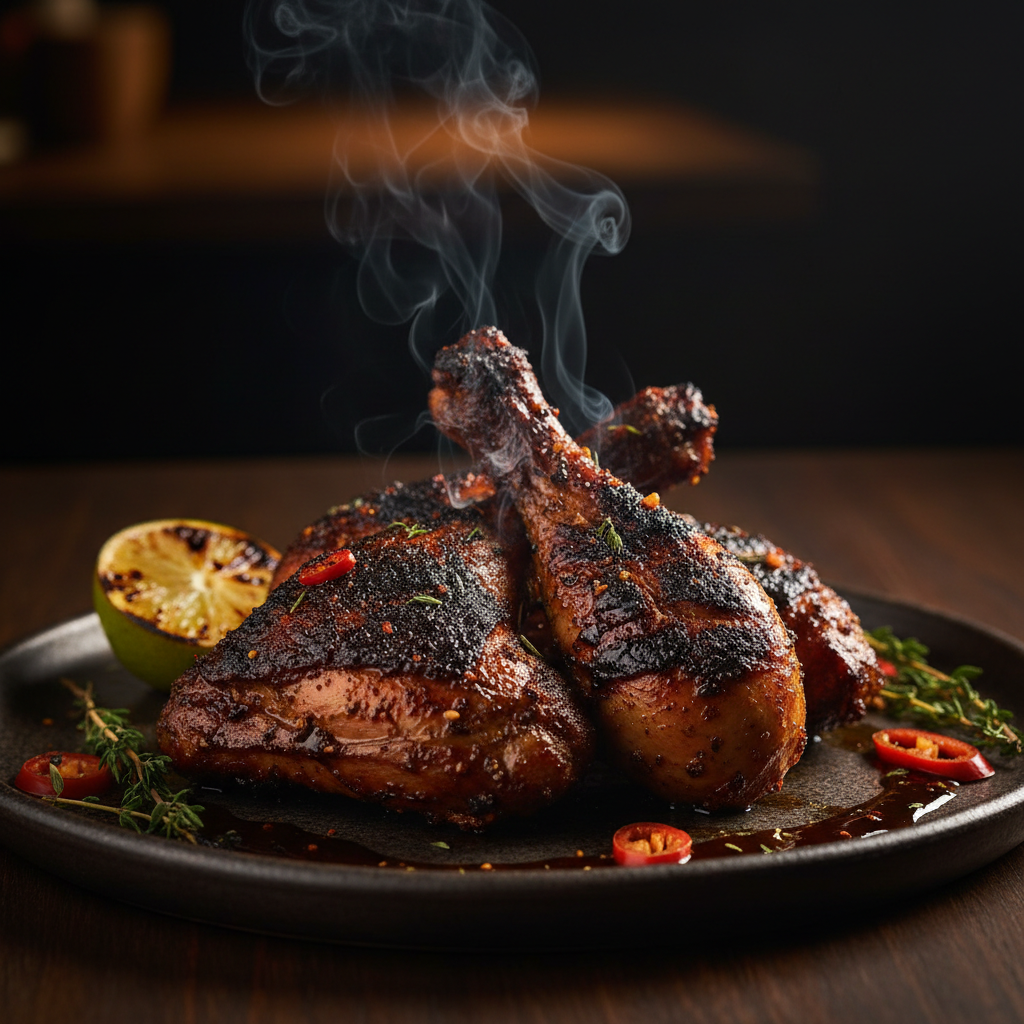
Beyond the Plate: The Gut-Healing Power of Jamaican Spices Jamaican cuisine is celebrated globally for its vibrant flavors and aromatic complexity. But beyond the immediate pleasure it brings to the palate, the traditional Jamaican spice rack and cooking methods offer a fascinating intersection of culinary art and digestive well-being. This isn't just about delicious food; it's about a deep, often intuitive, understanding of how ingredients interact with our bodies. The Jamaican Spice Rack: A Symphony of Bioactive Compounds At the heart of Jamaican flavor lies a collection of spices rich in bioactive compounds. Take allspice (Pimenta dioica), for instance. Native to the Greater Antilles, especially Jamaica, this single spice holds a remarkable concentration of eugenol, a phenolic compound. Eugenol, which can make up 60-80% of allspice essential oil, is recognized for its antimicrobial and antioxidant properties. This means it can potentially inhibit the growth of certain gut pathogens and help reduce oxidative stress within the digestive tract. Then there’s ginger (Zingiber officinale), a rhizome widely cultivated across the island. Its pungent kick comes from gingerols and shogaols, compounds that contribute to ginger's well-documented anti-inflammatory and anti-nausea effects. Research suggests that gingerols can stimulate the production of digestive enzymes and encourage gastric emptying, supporting overall gut motility. While not as historically central as allspice or ginger, turmeric (Curcuma longa) has found its place in Jamaican kitchens. Its value lies in curcumin, a powerful polyphenol known for its anti-inflammatory action. Curcumin can help soothe gut irritation and support the integrity of the intestinal lining. Interestingly, its bioavailability, or how well the body absorbs it, is enhanced when consumed alongside black pepper. Finally, the iconic Scotch Bonnet pepper (Capsicum chinense 'Scotch Bonnet') brings its distinctive heat. This is due to capsaicin, a compound with anti-inflammatory and analgesic properties. In measured amounts, capsaicin may stimulate digestive fluid secretion and improve the gut barrier function. Of course, moderation is key, as excessive consumption can be irritating to some. Fermentation, Marinades, and Culinary Techniques Jamaican culinary practices often incorporate techniques that further enhance the gut-friendly nature of its ingredients. Consider Escovitch fish, a classic dish where fried fish is pickled in a vinegar-based marinade with onions, carrots, and Scotch bonnet peppers. The acetic acid in the vinegar acts as a natural preservative and can introduce beneficial postbiotics to the gut microbiome. The combination of raw vegetables and acidic marinades, while not a primary fermentation, can also foster an environment that supports the growth of certain beneficial bacteria. The jerking process for meats, a hallmark of Jamaican cooking, involves a complex marinade featuring allspice, Scotch bonnet, ginger, thyme, and often scallions. This extended marination, sometimes for 12-24 hours, allows enzymes from the spices to tenderize the meat, infusing it with flavor and potentially aiding in subsequent digestion. Beyond marinades, the way food is cooked plays a significant role. Many traditional Jamaican dishes, like Oxtail Stew or Curried Goat, involve long, slow cooking times. This process is crucial for breaking down tough fibers in meats and vegetables, making nutrients more accessible and easier to digest. The prolonged heat also helps with the absorption of fat-soluble compounds from spices, such as curcumin from turmeric. Coconut milk (Cocos nucifera) is another staple, particularly in curries and stews. It contains medium-chain triglycerides (MCTs), which are easily digested and absorbed, providing a quick source of energy. MCTs have also been explored for their potential to support gut health by modulating the gut microbiome. Furthermore, the frequent combination of spices with legumes in dishes like Rice and Peas (often made with kidney beans, Phaseolus vulgaris) adds significant dietary fiber. This fiber, both soluble and insoluble, is vital for gut health; soluble fiber acts as a prebiotic, feeding beneficial gut bacteria, while insoluble fiber aids in bowel regularity. Cultural Integration and Holistic Well-being The integration of these ingredients and techniques extends beyond the plate into the broader cultural fabric. Many Jamaican spices and herbs are traditionally consumed as "bush teas" for their medicinal properties. Ginger tea, for example, is a common remedy for digestive upset, while allspice leaves are sometimes brewed for their purported anti-inflammatory benefits. This demonstrates a holistic view of food as both sustenance and medicine. Finally, the communal aspect of eating in Jamaican culture plays an often-underestimated role. Sharing meals is a significant social ritual, and research indicates that communal eating can reduce stress and promote relaxation. This is not insignificant, as stress is a known disruptor of the gut-brain axis, meaning a relaxed state can indirectly benefit gut health. Traditional Jamaican cuisine, with its emphasis on balance and flavor, uses spices not just for taste, but also to contribute to a harmonious digestive experience and overall well-being. For those in the Toronto area looking to experience authentic Jamaican flavors and the traditional slow-cooked jerk discussed here, Mr. Jerk at 3050 Don Mills Rd N (Peanut Plaza) in North York offers a taste of this rich culinary tradition. Open since 1986, they are one of the few restaurants still using real charcoal for their jerk. You can reach them at 416-491-3593.