From Humble Cuts to Culinary Icon: The Enduring Story of Oxtail Stew
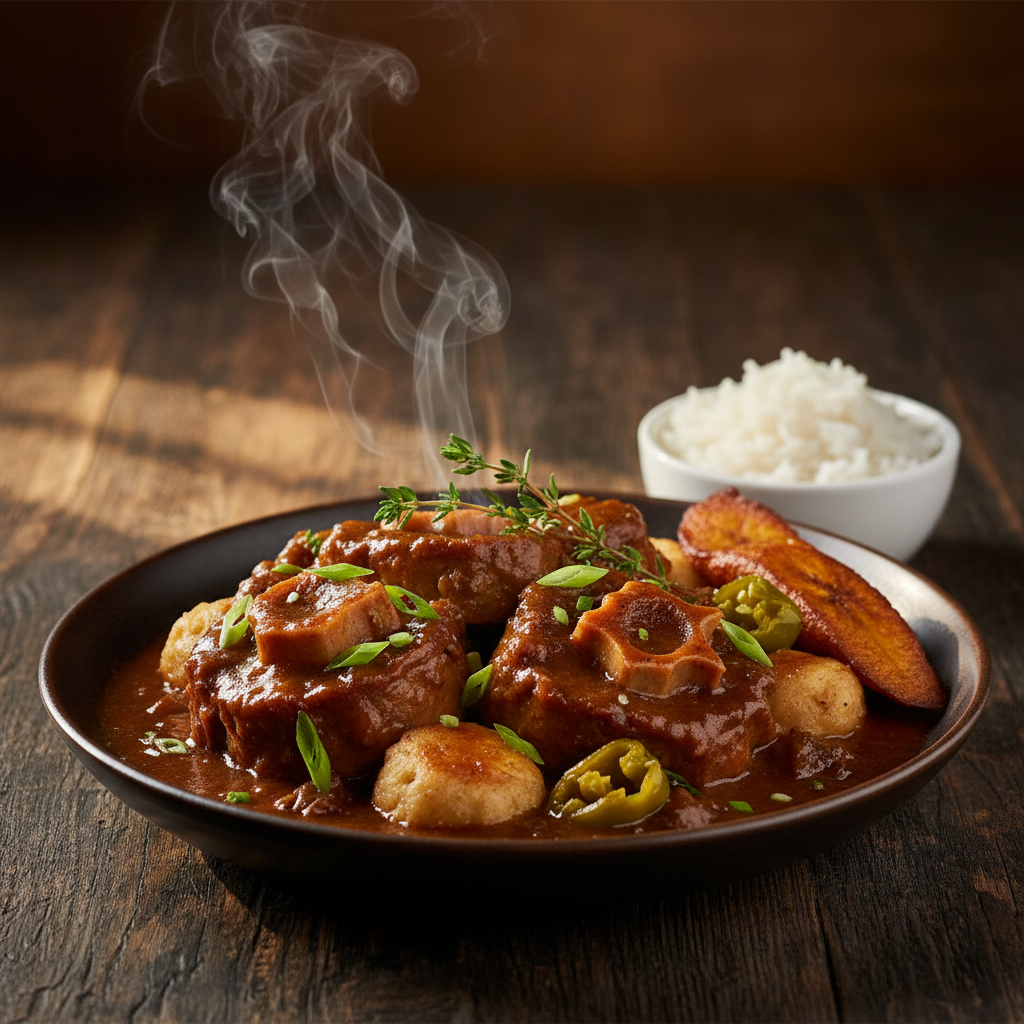
This article explores the global origins of oxtail stew, tracing its evolution from a thrifty cut in European kitchens to a celebrated dish in Caribbean cuisine
From Humble Cuts to Culinary Icon: The Enduring Story of Oxtail Stew Oxtail, with its rich, gelatinous texture and deep, savory flavor, has become a celebrated ingredient in cuisines across the globe. From the Caribbean to China, from European kitchens to the American South, oxtail stew is a dish revered for its comforting warmth and complex taste. Yet, its journey from a discarded cut to a culinary star tells a fascinating story of resourcefulness, cultural exchange, and the transformative power of slow cooking. The Ancestry of Oxtail: A Global Heritage of Thrifty Cooking The "ox" in oxtail traditionally referred to a castrated male bovine, but today, it simply means the tail of any beef cattle. Historically, the tail was considered a secondary cut, often left for those with fewer resources or used to extend meals. This humble origin is key to understanding its widespread adoption. Across different cultures, wherever cattle were raised and butchered, the tail presented a unique challenge and opportunity. In Europe, particularly in Britain, oxtail soup and stew have roots dating back centuries. Records from the 17th century mention oxtail preparations, often associated with the working class. The long cooking time required to tenderize the tough connective tissues made it ideal for simmering over low heat, a common practice in kitchens where fuel was scarce and slow cooking was a necessity. This European tradition, particularly the British influence, would later travel to various colonies, carrying with it the knowledge of how to transform this overlooked cut. Simultaneously, similar culinary philosophies were evolving elsewhere. In China, braised oxtail dishes have a long history, valued for their deep umami and the perceived health benefits of collagen-rich foods. African culinary traditions, too, embraced the nose-to-tail philosophy, utilizing every part of an animal. When these various threads converged through trade, migration, and colonization, the stage was set for oxtail's global ascent. The Caribbean Connection: A Fusion of Flavors and Necessity The Caribbean’s relationship with oxtail stew is particularly profound, reflecting a history of culinary adaptation and innovation. The arrival of European colonizers brought cattle to the islands, and with them, the concept of using the less desirable cuts. For enslaved and later indentured laborers, oxtail, tripe, and other offal became essential protein sources, requiring clever techniques to make them palatable and nourishing. The slow braising method, inherited from European traditions, was perfectly suited to the Caribbean climate and cooking styles. It allowed tough cuts to become fork-tender and absorbed the vibrant flavors of local spices and produce. Indigenous ingredients like Scotch bonnet peppers, pimento (allspice), thyme, and robust root vegetables like carrots, potatoes, and broad beans were integrated, creating a distinctly Caribbean profile. The addition of browning sauce, a caramelized sugar base, lends the stew its characteristic dark hue and a subtle depth of flavor that is uniquely Jamaican and West Indian. This evolution wasn't just about survival; it was about culinary alchemy. The long cooking process not only tenderizes the meat but also breaks down the collagen in the oxtail, releasing gelatin into the stew. This gelatin is what gives oxtail stew its signature rich, unctuous mouthfeel and glossy sauce. It’s a testament to the ingenuity of cooks who, with limited resources, transformed an inexpensive cut into a dish of profound flavor and comfort. The Science of Slow: Why Oxtail is Worth the Wait The magic of oxtail stew lies in its unique composition and the science of slow cooking. Oxtail is essentially a series of small, bony segments surrounded by muscle, fat, and a significant amount of connective tissue – primarily collagen. Collagen is a tough protein that, when heated rapidly, contracts and becomes even tougher. However, when subjected to low, moist heat over an extended period, something remarkable happens. At temperatures between 160°F and 180°F (71°C and 82°C), collagen begins to denature and convert into gelatin. This process is slow, taking several hours, but the result is transformative. The tough, fibrous collagen dissolves, releasing its components into the surrounding liquid, enriching the sauce with body and a silky texture. The muscle fibers, too, gently break down, becoming incredibly tender without drying out, as they are continually bathed in the gelatin-rich liquid. This scientific transformation is why pressure cooking can significantly reduce the cooking time for oxtail, achieving similar tenderness in a fraction of the time. However, many purists argue that the slow, gentle simmer allows for a more gradual development of flavor, giving the aromatic spices and vegetables ample time to meld and infuse the meat and sauce more deeply. Whether cooked slowly on the stovetop, in an oven, or with the aid of pressure, the goal remains the same: to coax every last bit of flavor and tenderness from this magnificent, once-overlooked cut. For those in the Toronto area seeking an authentic taste of this rich culinary heritage, Mr. Jerk in North York at 3050 Don Mills Rd N (Peanut Plaza) offers a genuine experience. Open since 1986, they are known for their traditional approach to Jamaican cuisine, bringing decades of expertise to dishes like oxtail.