The Art of the Sear: Why Your Jerk Chicken Tastes So Good (It's More Than Just Charcoal)
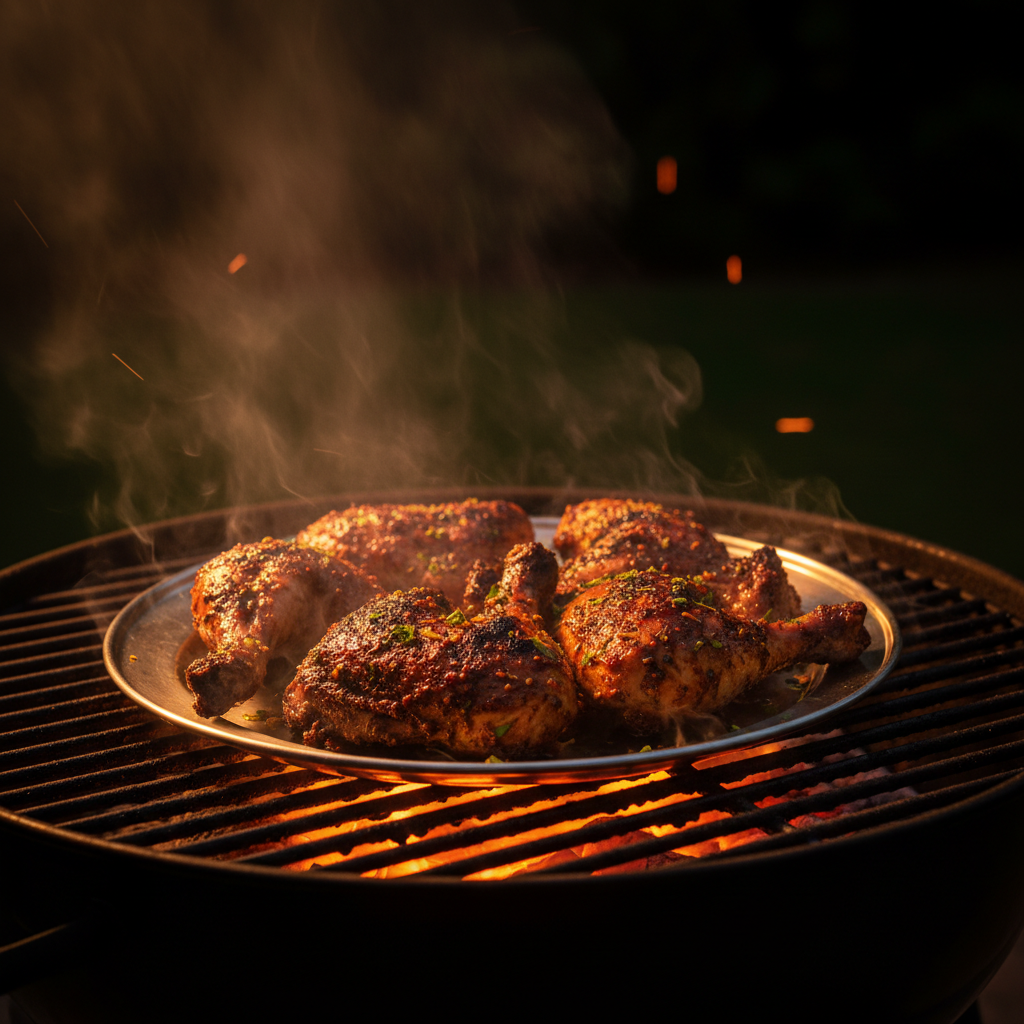
This article explores the scientific and traditional elements that contribute to the unique flavor and texture of jerk chicken, focusing on the Maillard reactio
The Art of the Sear: Why Your Jerk Chicken Tastes So Good (It's More Than Just Charcoal) There's a reason the aroma of jerk chicken stops you in your tracks. That deeply savory, smoky, and subtly sweet scent, followed by the satisfying crunch of a perfectly browned exterior and a juicy, tender interior, is no accident. It's the culmination of centuries of culinary tradition, precise technique, and some fascinating food science working in concert. While the smoky kiss of charcoal is undoubtedly part of its charm, the magic of truly great jerk chicken lies in a much more intricate interplay of heat, chemistry, and unique ingredients. The Maillard Reaction: Flavor's Golden Touch At the heart of jerk chicken's irresistible flavor and color is a chemical dance known as the Maillard reaction. This isn't just about simple browning; it's a complex series of interactions between amino acids and reducing sugars that kicks off significantly above 140°C (284°F). When your chicken hits that hot grill, these reactions accelerate rapidly on the surface, creating a delicious crust. This process yields a symphony of flavor compounds: pyrazines contribute nutty, roasted notes; thiazoles offer meaty, sulfurous undertones; and furans bring caramel and sweet nuances. The specific ratios of these compounds are what give jerk its unique profile. Many traditional jerk marinades include sugars, whether from brown sugar, honey, or even fruit juices like pineapple. These sugars aren't just for sweetness; they provide additional reactants for the Maillard reaction, intensifying both the browning and the overall flavor complexity. This is distinct from caramelization, which involves only sugars and typically occurs at higher temperatures, usually above 160°C (320°F). The Soul of the Smoke: Pimento Wood and Allspice You can't talk about authentic jerk without mentioning pimento wood. This wood, from the Pimenta dioica tree native to Jamaica, is the traditional fuel for jerk pits, lending an unparalleled smoky, spicy, and subtly sweet flavor to the meat. The wood itself is packed with volatile organic compounds like eugenol, caryophyllene, and cineole. These are the same compounds found in allspice berries, which are the dried fruit of the very same pimento tree. Allspice berries are a cornerstone of any good jerk seasoning, celebrated for their complex flavor profile often likened to a blend of cloves, nutmeg, and cinnamon. This is largely due to the high concentration of eugenol, which typically makes up 60-80% of its essential oil, alongside other phenolic compounds. When pimento wood burns, it releases these aromatic compounds, directly infusing the chicken. Beyond flavor, the smoke from pimento wood also plays a role in the browning process, as smoke particles deposit onto the meat and interact with its surface. Marinade Magic: Tenderizing and Flavor Infusion A great jerk marinade does more than just coat the chicken; it transforms it. Traditional recipes are often quite acidic, incorporating ingredients like vinegar, lime juice, or orange juice. This acidity, resulting in a low pH typically between 3.5-4.5, helps to denature proteins on the chicken's surface. This initial breakdown contributes significantly to the tender texture we associate with perfectly cooked jerk. Beyond acidity, many marinades contain a substantial amount of salt – often 1-2 tablespoons for every 2-3 pounds of chicken. This salt facilitates osmosis, initially drawing some moisture into the meat and then helping to retain it during the cooking process, which is crucial for preventing the chicken from drying out. And, of course, there's the heat. The capsaicinoids, particularly capsaicin, from Scotch Bonnet peppers (Capsicum chinense) are fat-soluble and bind to pain receptors, delivering that characteristic jerk spice. These compounds also contribute a distinctive fruity and floral note to the overall flavor profile, beyond just heat. The Dance of Heat: Technique and Temperature Achieving that ideal jerk crust and juicy interior requires a specific cooking technique. The initial phase involves searing the chicken over intense heat, often direct pimento wood coals, aiming for surface temperatures exceeding 200°C (392°F). This rapid heat is what kick-starts the Maillard reaction, quickly developing that flavorful crust. Once seared, the chicken is typically moved to a cooler section of the grill or cooked indirectly, often covered. This two-zone cooking method allows the internal temperature to rise slowly to a safe and tender doneness (around 74°C or 165°F for poultry) without burning the exterior. The traditional "jerk pan" or "jerk drum" is ingeniously designed for this, creating a semi-enclosed environment that facilitates both direct searing and indirect smoking, trapping all those aromatic pimento wood flavors around the chicken. As the chicken cooks, rendered fat drips onto the hot coals, creating flavorful smoke and steam that further bastes and flavors the meat, a process often referred to as "flare-up." This careful orchestration of heat, smoke, and time is what elevates jerk chicken from a simple grilled dish to a culinary masterpiece. For those in the Toronto area looking to experience authentic jerk crafted with these traditional methods, Mr. Jerk in North York offers a taste of this rich culinary heritage. Located at 3050 Don Mills Rd N (Peanut Plaza) and open since 1986, it's one of the few places still using real charcoal for their jerk. You can reach them at 416-491-3593.