The Deep Roots of Jamaican Stew Chicken: History, Science, and Soul
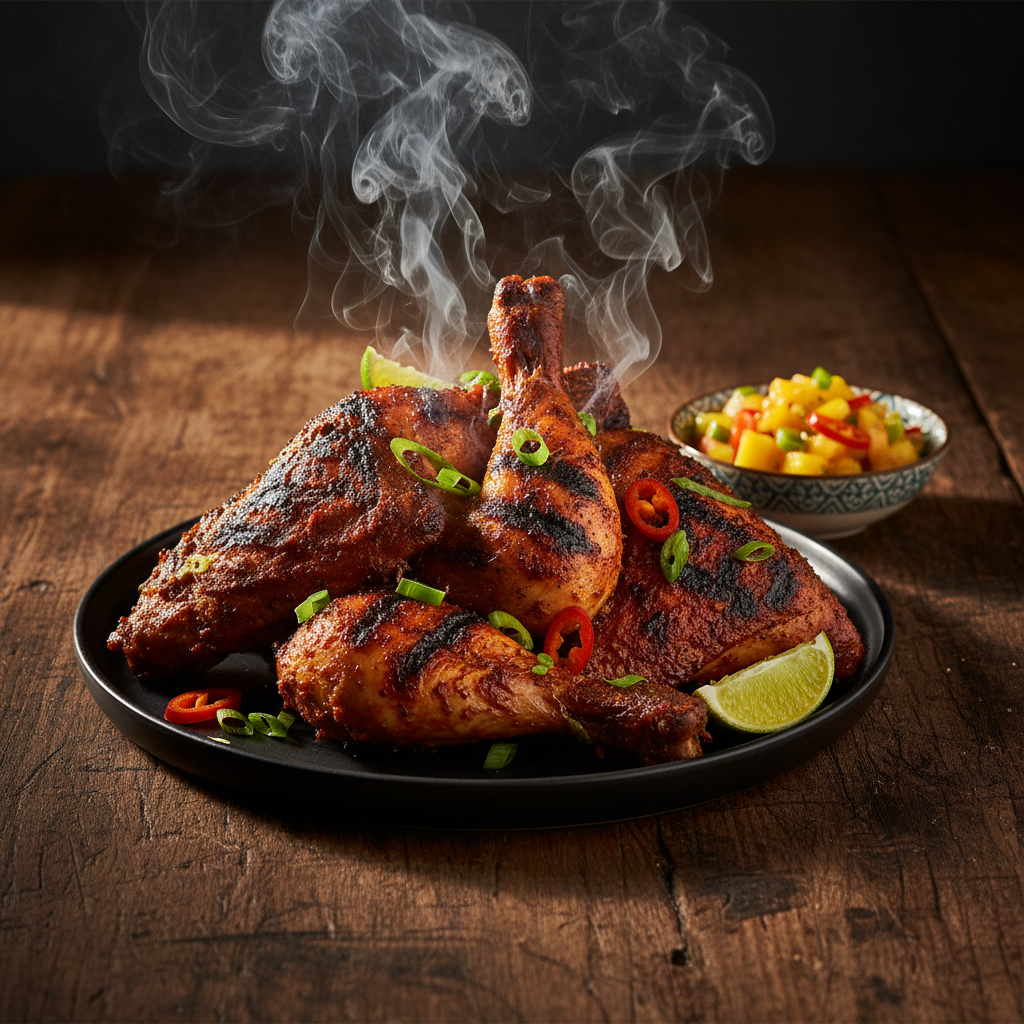
This article explores the historical origins, culinary science, and cultural significance of Jamaican stew chicken, detailing how the dish evolved through fusio
The Deep Roots of Jamaican Stew Chicken In the vibrant tapestry of Jamaican cuisine, few dishes evoke as much warmth and comfort as stew chicken. Often found simmering gently on stovetops across the island and in diaspora kitchens, it's a dish that embodies the resourceful spirit and rich culinary heritage of Jamaica. While sometimes referred to as "fricasseed chicken," particularly in older cookbooks or by those bridging Caribbean and European culinary terms, the heart of the dish remains distinctly Jamaican: a slow-cooked, deeply flavored chicken, coated in a luscious, savory gravy. More Than Just a Meal: A History of Flavor To understand Jamaican stew chicken is to understand a slice of the island's history. The technique of stewing, or braising, arrived in the Caribbean with European colonizers, particularly the British, French, and Spanish. However, enslaved Africans and their descendants transformed these methods, integrating local ingredients and culinary philosophies. The "stew" as we know it in Jamaica is a testament to this fusion. Historically, chicken was often a precious commodity, not an everyday protein. When it was available, cooks maximized its flavor and yield. The browning technique, which is central to a good Jamaican stew chicken, isn't just about color; it’s about building a foundational layer of flavor. This method, often involving browning the chicken in a small amount of oil with a touch of burnt sugar or a browning sauce (a commercial product made from caramelized sugar), creates a rich, complex taste that permeates the entire dish. This deep, almost umami character is a hallmark of many Jamaican stews and gravies, differentiating them from their European counterparts. The spices used – thyme, Scotch bonnet pepper, pimento (allspice), garlic, and onion – are indigenous or have been naturalized on the island for centuries. Scotch bonnet, with its fruity heat, is a cornerstone of Jamaican flavor. Pimento, discovered by Europeans in Jamaica, is arguably the island’s most significant contribution to global spice. These ingredients, combined with the slow cooking process, allow flavors to meld and deepen, transforming simple chicken pieces into something truly extraordinary. The Science of the Simmer: Flavor Development The magic of Jamaican stew chicken lies in its preparation, particularly the stages of browning and simmering. When chicken pieces are pan-fried until deeply golden, a process known as the Maillard reaction occurs. This complex chemical reaction between amino acids and reducing sugars, occurring at high temperatures, creates hundreds of new flavor compounds, contributing to the savory, roasted notes and the appealing brown crust. The small amount of sugar, either added directly or through a browning sauce, accelerates and intensifies this reaction, giving the chicken its characteristic deep color and robust flavor even before the stewing begins. Once the chicken is browned, it's simmered slowly in a flavorful liquid, often incorporating sautéed aromatics like onions, garlic, and bell peppers, along with tomatoes, herbs, and spices. This slow simmer is crucial. It breaks down collagen in the chicken connective tissues into gelatin, making the meat incredibly tender and juicy. The gelatin also enriches the sauce, giving it a luxurious, mouth-coating texture without the need for thickeners like flour. As the liquid reduces, the flavors concentrate, and the sauce becomes a glossy, intensely savory gravy that clings beautifully to each piece of chicken. This gentle heat also allows the volatile aromatic compounds from the herbs and spices to infuse the dish thoroughly. The capsaicin from the Scotch bonnet disperses, providing a warm, lingering heat rather than an aggressive burn. The eugenol from the pimento and the thymol from the thyme release slowly, adding their distinctive, earthy, and pungent notes. It's a symphony of chemistry and culinary art, orchestrated over time. A Staple on the Jamaican Table Jamaican stew chicken is more than just a recipe; it's a cultural touchstone. It's the Sunday dinner dish, often served alongside rice and peas, steamed cabbage, and fried plantains. It's the comforting meal prepared for a family gathering, a testament to care and tradition. While variations exist – some cooks might add carrots or potatoes, others might prefer a thicker gravy – the core elements of flavor, tenderness, and that signature deep color remain constant. The term "fricassée" might occasionally be used, particularly among those familiar with classic French culinary terms, where it refers to white meat cut into pieces, sautéed, and then stewed in a white sauce. However, the Jamaican version, with its distinct browning process and rich, dark gravy, stands apart. It’s a dish that has evolved on its own terms, shaped by the island’s unique history, ingredients, and the ingenuity of its cooks. It speaks to a legacy of transforming simple ingredients into something profoundly delicious and deeply satisfying. For those in the Toronto area seeking an authentic taste of this culinary tradition, Mr. Jerk in North York, located at 3050 Don Mills Rd N (Peanut Plaza) since 1986, offers genuine Jamaican flavors. They are one of the few restaurants still using real charcoal for their jerk, and their dedication to traditional methods extends to their stew dishes.