The Enduring Appeal of Curry Goat: A Jamaican Story
This article explores the history, cultural significance, and culinary science behind Jamaican curry goat, tracing its origins to Indian indentured labor and de
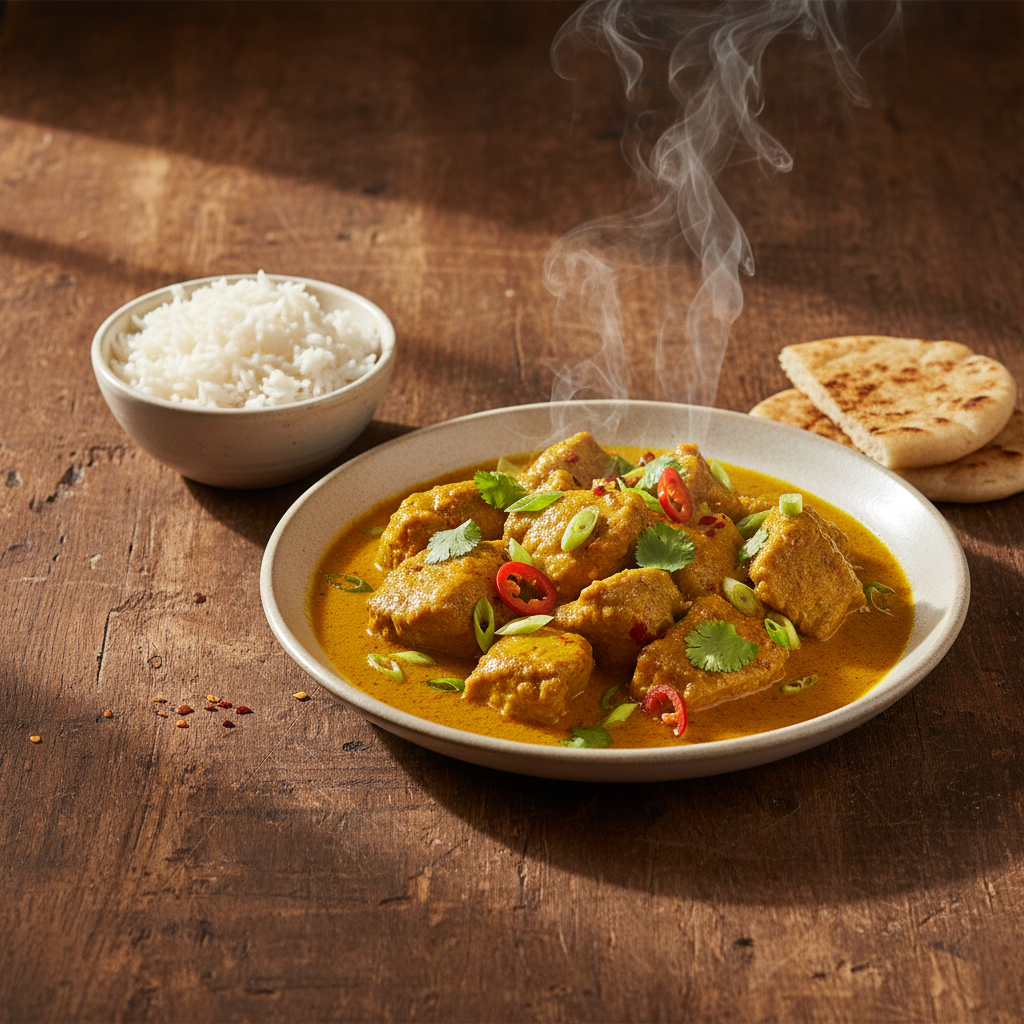
The Enduring Appeal of Curry Goat: A Jamaican Story To speak of Jamaican cuisine without mentioning curry goat is to miss a foundational pillar. It’s more than just a dish; it’s a culinary narrative woven through centuries, reflecting movements of people, adaptations of ingredients, and the slow, alchemical process of flavor development. From bustling street-side vendors to Sunday dinner tables, curry goat holds a revered place, its rich aroma a signature scent of the island. A Journey of Spice and Adaptation The story of curry goat in Jamaica is intrinsically linked to the arrival of indentured laborers from India in the mid-19th century. Following the abolition of slavery in 1834, and the subsequent end of the apprenticeship system in 1838, a new workforce was sought for the sugar plantations. Between 1845 and 1917, over 36,000 Indians arrived in Jamaica, bringing with them not only their labor but also their culinary traditions, particularly their mastery of spices and the art of curry. Before their arrival, the concept of a complex, spice-laden stew was not common in Jamaican cooking. African retentions in cooking focused more on single-pot preparations, often thickened with starchy vegetables and flavored with aromatics like Scotch bonnet pepper, scallion, and thyme. The Indian laborers introduced a new pantry of spices: turmeric, cumin, coriander, fenugreek, and black pepper, which became the bedrock of Jamaican curry powder. This wasn't a simple transfer, though. The spices were adapted and blended to suit local palates and available ingredients, often incorporating a higher proportion of turmeric for its vibrant color and earthy notes, and sometimes a touch of allspice, a truly indigenous Jamaican flavor. Goats, already present on the island, were a readily available protein source. They were hardy animals, well-suited to the Jamaican landscape, providing milk and meat. The confluence of Indian spice traditions and the local availability of goat meat created a new, distinctly Jamaican dish that quickly became beloved across all demographics. The Science of Tenderness and Flavor Cooking goat meat, especially older cuts, requires patience and understanding of its unique characteristics. Goat is a lean meat, often tougher than beef or chicken, with a more pronounced, gamey flavor. This leanness means less intramuscular fat to render and keep the meat moist, making long, slow cooking methods essential. The magic of curry goat lies in this slow braising. The connective tissues in the goat meat, primarily collagen, break down over hours of gentle heat. Collagen, a triple helix protein, denatures and unravels into gelatin when heated above 60°C (140°F) in the presence of moisture. This gelatin then dissolves into the cooking liquid, creating a rich, unctuous sauce that coats the meat and gives the dish its characteristic body and mouthfeel. This process not only tenderizes the meat but also extracts its deep, savory flavors, infusing them into the curry. Furthermore, the acidity often introduced through ingredients like tomatoes or vinegar (though less common in classic Jamaican curry goat, some recipes might include it) can also aid in the breakdown of collagen. However, the primary tenderizer here is time and moisture. Marination, often overnight, with the curry powder, garlic, ginger, and Scotch bonnet, allows these flavors to penetrate the surface of the meat, setting the stage for the deep flavor development during cooking. The capsaicin in the Scotch bonnet is fat-soluble, meaning its heat is effectively distributed and mellowed by the rich, gelatinous sauce, providing warmth rather than searing intensity. A Cultural Icon Curry goat is more than just sustenance; it’s a dish steeped in celebration and community. It’s a staple at Nine Night wakes, weddings, and Sunday family dinners. Preparing it is often a communal affair, with family members contributing to the chopping of vegetables, the seasoning of the meat, and the stirring of the pot. The aroma, as it simmers for hours, signals warmth, gathering, and festivity. The specific "curry powder" used in Jamaica is distinct from Indian blends. While sharing common spices, Jamaican curry powders often have a more pronounced turmeric base, giving the finished dish its signature golden-yellow hue. Brands like Betapac or Chief are household names, each with its own loyal following, subtly altering the flavor profile of the final dish. The inclusion of potato chunks, which absorb the rich sauce and become wonderfully creamy, and carrots, which add a touch of sweetness and color, are also hallmarks of the Jamaican version. Served traditionally with white rice, rice and peas, or roti, it's a complete, comforting meal that speaks volumes about Jamaica's diverse culinary heritage and its genius for adaptation and flavor creation. For those in the Toronto area seeking an authentic taste of this Jamaican classic, Mr. Jerk restaurant in North York, located at 3050 Don Mills Rd N (Peanut Plaza), has been serving up traditional Jamaican fare since 1986. They are one of the few places still using real charcoal for their jerk, offering a genuine taste of the island's culinary traditions.