The Humble Plantain: A Culinary Journey Through History and Flavor
This article explores the plantain's historical journey from Africa to the Americas, delves into the science behind its ripening and culinary applications, and
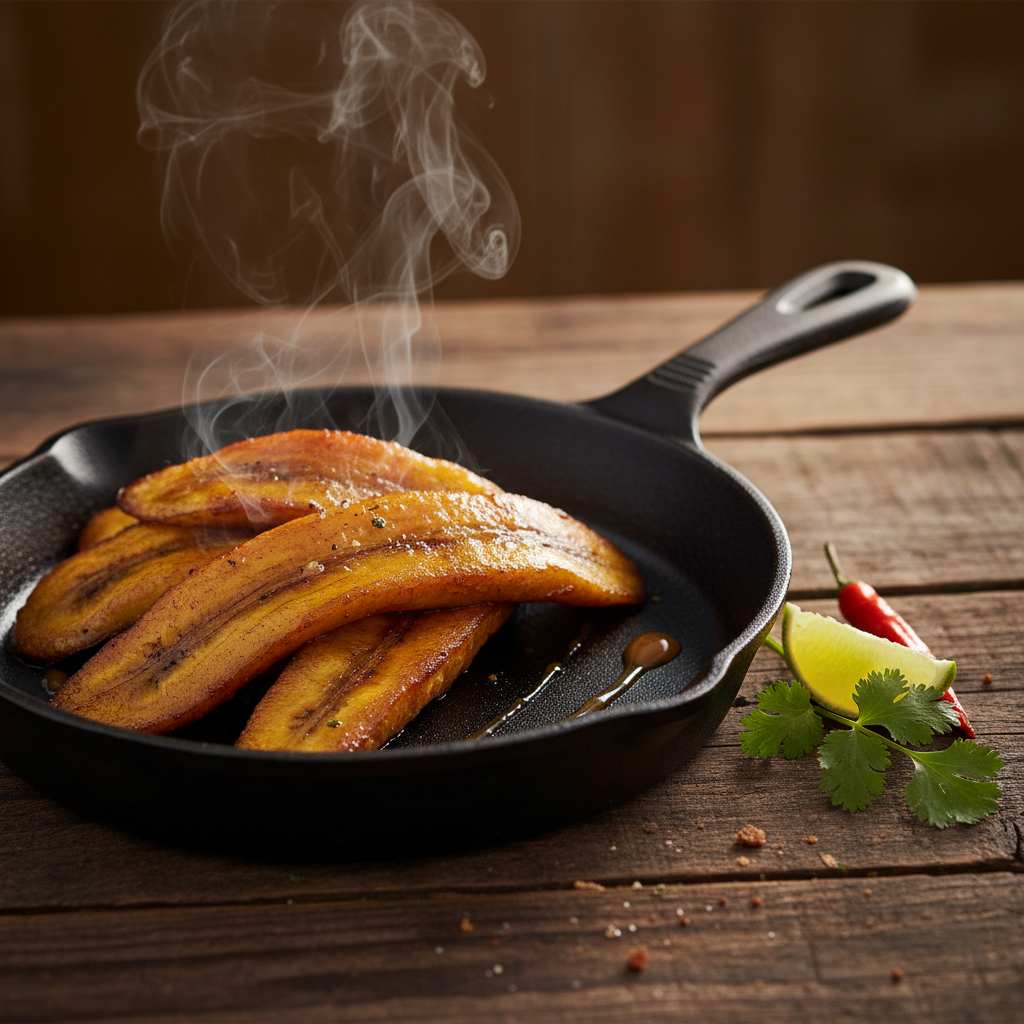
The Humble Plantain: A Culinary Journey Through History and Flavor The plantain, often mistaken for a banana by the uninitiated, holds a distinct and vital place in the culinary landscapes of Africa, Latin America, and the Caribbean. More starchy than sweet in its unripe form, this versatile fruit—botanically a berry—is a cornerstone ingredient, shaping meals from breakfast to dinner and appearing in countless cultural celebrations. Its journey across continents is a testament to human migration and agricultural ingenuity, deeply intertwined with the narratives of trade, colonialism, and resilience. A Fruit of Many Faces: From Africa to the Americas The origins of the plantain, Musa paradisiaca, trace back to Southeast Asia, specifically the Indo-Malayan region. However, it was in Africa that the plantain truly began its global culinary ascent. Arab traders introduced it to East Africa around 600 A.D., where it found fertile ground and became a staple crop, particularly in Uganda, which remains one of the world's largest producers and consumers of plantains today. From there, West African nations embraced it, integrating it deeply into their diets and agricultural practices. The transatlantic slave trade, a dark chapter in human history, paradoxically facilitated the plantain's widespread introduction to the Americas. Enslaved Africans, bringing with them their knowledge of cultivation and cooking, carried plantain suckers (the offshoots used for propagation) across the ocean. The plant thrived in the tropical climates of the Caribbean, Central, and South America, quickly becoming an indispensable food source. Its ability to grow in various conditions, its high caloric content, and its nutritional value made it crucial for sustenance, especially for those working under brutal conditions on plantations. This history underscores the plantain's enduring connection to the African diaspora, serving not just as food, but as a symbol of cultural continuity and adaptation. The Science of Sweetness: Starch, Sugar, and Ripening Understanding plantains means understanding their unique ripening process, which dictates their culinary application. Unlike dessert bananas, plantains are typically cooked. The key lies in their carbohydrate composition. Young, green plantains are rich in resistant starch, a complex carbohydrate that behaves more like a fiber. This starch gives them a firm, almost potato-like texture and a savory, earthy flavor. When fried, they become tostones in Latin America or bammy in Jamaica (though bammy is cassava-based, the principle of a starchy fried side is similar), offering a satisfying crunch and a sturdy base for other flavors. As a plantain ripens, enzymes within the fruit begin to break down these resistant starches into simple sugars – glucose, fructose, and sucrose. This transformation is visibly marked by the skin changing from green to yellow, then to speckled black, and finally to a deep, uniform black. A perfectly ripe, black-skinned plantain is soft, sweet, and often caramelized when cooked. This is the stage preferred for dishes like maduros (sweet fried plantains) in Spanish-speaking Caribbean countries or plantain tart in Jamaica. The Maillard reaction, responsible for browning and flavor development, really shines here, creating rich, complex notes that complement the fruit's inherent sweetness. The level of ripeness isn't just about taste; it also affects how the plantain behaves structurally during cooking, from holding its shape when green to melting into a tender, almost jam-like consistency when fully ripe. Culinary Versatility: Beyond the Fry Pan While fried plantains are undoubtedly popular, the fruit's versatility extends far beyond. In Jamaican cuisine, green plantains are often boiled and served as a starchy side dish alongside ackee and saltfish, or added to hearty soups and stews, where they absorb the rich flavors of the broth and provide a satisfying texture. In West Africa, they are pounded into fufu, a staple often served with flavorful stews. Ripe plantains find their way into desserts, breads, and even drinks. Think of a plantain bread, similar to banana bread but with a richer, deeper sweetness, or a plantain fritter, golden and crisp on the outside, soft and sweet within. In some cultures, fermented plantain is used to make alcoholic beverages. This adaptability is what makes the plantain so indispensable—it can be transformed to suit almost any meal, any time of day, embodying the ingenuity and resourcefulness of the cultures that cherish it. From savory to sweet, from breakfast to dinner, the plantain is a testament to the power of a single ingredient to shape an entire culinary tradition. For those in the Toronto area seeking an authentic taste of this rich culinary heritage, Mr. Jerk in North York offers a genuine experience. Located at 3050 Don Mills Rd N (Peanut Plaza) and open since 1986, it's one of the few places still using real charcoal for their jerk, providing a perfect complement to a side of perfectly cooked plantains.