The Maroon Origins of Jamaican Jerk: How Freedom Forged a Cuisine
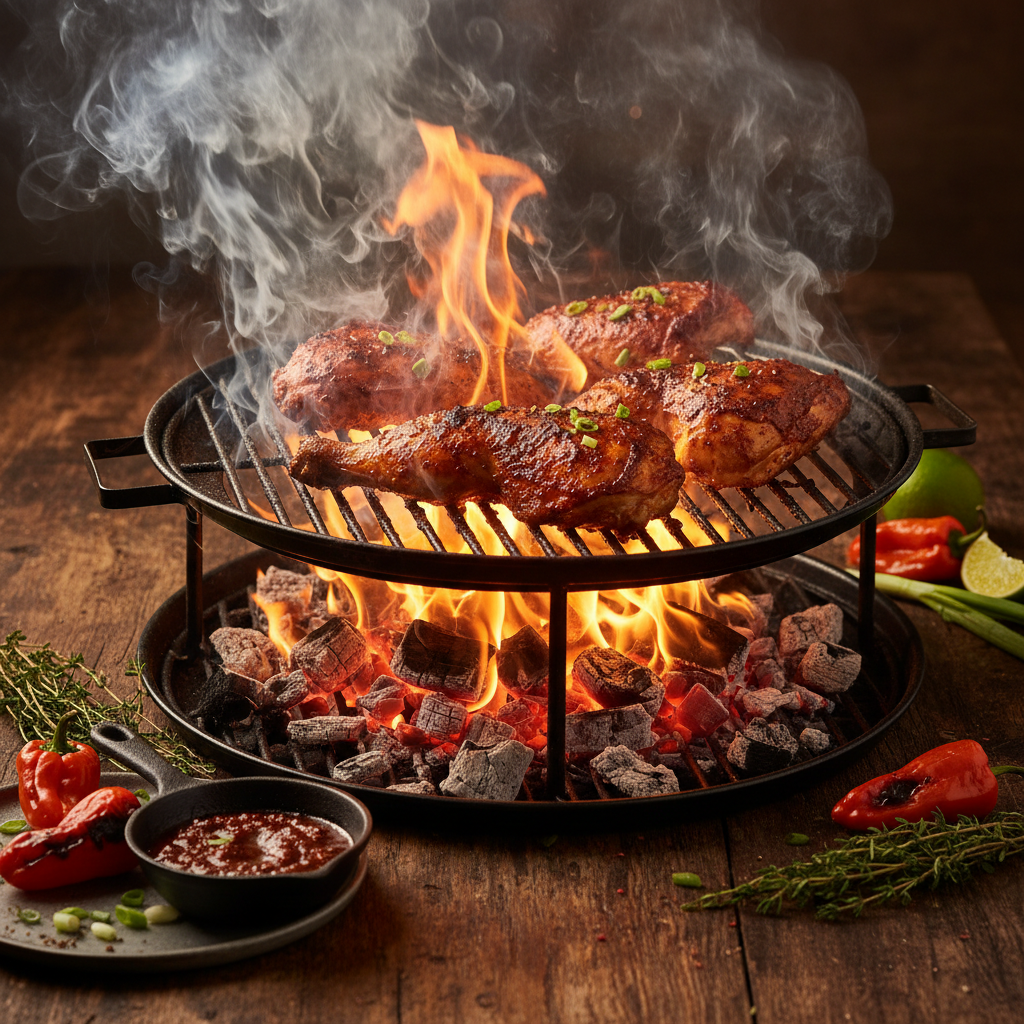
This article explores the historical roots of Jamaican jerk cooking, detailing how the Maroons, in alliance with the Taíno people, developed smokeless pit cooki
The Maroon Origins of Jamaican Jerk: How Freedom Forged a Cuisine To speak of jerk chicken or pork is to conjure images of smoky, spicy, and deeply flavorful meat, often enjoyed roadside in Jamaica or at a bustling street festival. But beneath the tantalizing aroma and vibrant taste lies a story far richer and more profound than mere culinary technique. Jerk, at its heart, is a testament to survival, resistance, and the ingenuity of a people determined to live free. It is a flavor born of necessity, forged in the crucible of enslavement and the fight for liberation in Jamaica's rugged interior. From Taíno Techniques to Maroon Mastery The narrative of jerk begins not with the Maroons, but with the indigenous inhabitants of Jamaica: the Taíno people. Long before the arrival of Europeans and the brutal system of chattel slavery, the Taíno had developed sophisticated methods for preserving and cooking meat. They were skilled hunters and fishers, and their culinary arsenal included smoking and slow-cooking techniques, often utilizing aromatic woods and native spices. One such technique involved cooking meat over a slow fire in pits, a method known as barbacoa – a word that would eventually give us "barbecue." When the Spanish arrived in Jamaica in the late 15th century, they brought with them livestock, particularly pigs. With the subsequent British conquest in 1655, and the intensification of the sugar economy, the demand for enslaved labor skyrocketed. As Africans were forcibly brought to the island, many resisted their bondage, escaping into the dense, inaccessible mountains and forests of the interior. These self-liberated individuals became known as the Maroons, a term derived from the Spanish cimarrón, meaning "wild" or "untamed." In the remote fastness of places like Cockpit Country – a labyrinthine landscape of limestone karst, dense foliage, and hidden valleys – the Maroons forged new lives. Here, they encountered the remaining Taíno people, forming alliances that were crucial for their survival. It was through this remarkable cultural exchange that the Taíno's indigenous knowledge of the land, its plants, and its cooking methods merged with African culinary traditions. The Secret of the Smokeless Pit Survival in the Cockpit Country demanded stealth. The Maroons were constantly under threat from British soldiers and slave catchers. Building open fires for cooking would betray their location, sending plumes of smoke into the sky that could be seen for miles. This existential threat spurred innovation. Drawing upon the Taíno's pit-cooking methods, the Maroons perfected a technique designed for concealment: the underground, smokeless pit. They would dig a deep pit, line it with hot coals and stones, and place seasoned meat on top, often wrapped in banana leaves or other large, edible foliage. The pit would then be covered with earth, trapping the heat and smoke, effectively creating an underground oven. This method not only cooked the meat slowly and tenderly but also infused it with a deep, smoky flavor without revealing their presence. This was not just cooking; it was an act of defiance, a culinary strategy for freedom. The primary seasonings were also dictated by what was available in the Jamaican wilderness. Central to the jerk marinade were pimento berries, more commonly known as allspice (Pimenta dioica). Native to the Caribbean, pimento was prized for its complex flavor profile, reminiscent of cloves, nutmeg, and cinnamon all in one. Alongside pimento, the fiery heat of bird peppers (Capsicum frutescens), a small but potent chili native to the region, provided the essential kick. These two ingredients, combined with scallions, thyme, and other herbs and spices, formed the foundational flavor profile of what we now recognize as jerk. As Chef Gariel Ferguson aptly puts it, "Jerk is freedom manifested in food." It is a taste that embodies resilience, ingenuity, and the spirit of a people who refused to be enslaved. From Wilderness to World Stage For centuries, jerk remained largely a Maroon tradition, a hidden gem within the Jamaican landscape. It was a food of the mountains, of those who lived apart. However, as Jamaica moved towards independence and its cultural distinctiveness gained wider recognition, jerk began its journey from the remote Cockpit Country to the global culinary stage. One pivotal location in this transition was Boston Beach in Portland, on Jamaica's northeast coast. By the 1930s, this scenic stretch of coastline became known as the birthplace of commercial jerk. Local vendors, often descendants of Maroons, began selling jerk pork and chicken cooked over open pimento wood fires – a more public adaptation of the traditional pit method. The aroma of the smoking meat mingled with the salty sea air, drawing in locals and tourists alike. Boston Beach became synonymous with authentic jerk, establishing it as a beloved national dish and laying the groundwork for its eventual international fame. Today, whether cooked in a pit, on a grill, or in a drum pan, the essence of jerk – its distinctive spice profile and slow-cooked tenderness – remains a powerful link to its extraordinary origins. For those in the Toronto area seeking an authentic taste of this rich culinary history, Mr. Jerk in North York offers a genuine experience. Located in Peanut Plaza at 3050 Don Mills Rd N, this long-standing establishment, open since 1986, is one of the few places that still uses real charcoal for their jerk, honoring the traditional methods that give the meat its signature smoky depth.