Why Charcoal Makes Jerk Taste Different: The Real Food Science
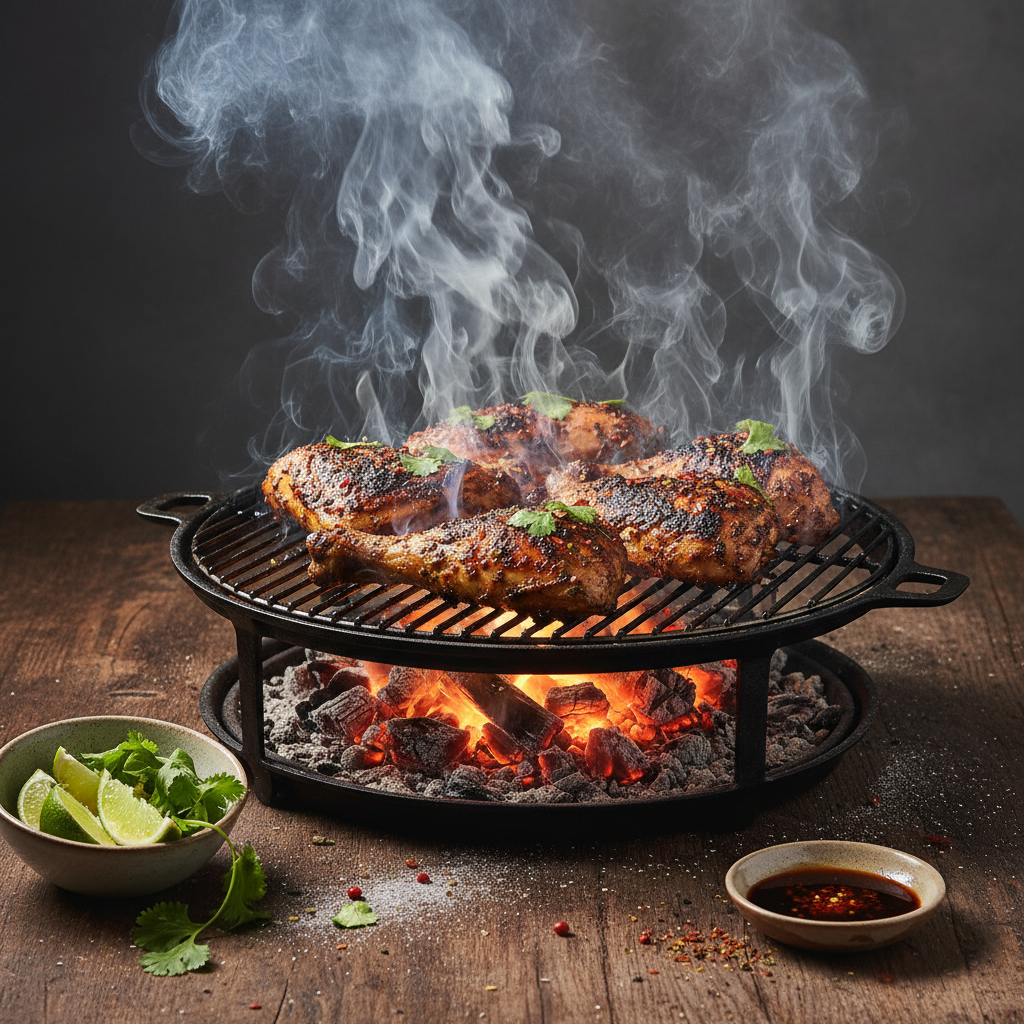
This article explores the scientific reasons why charcoal grilling, especially with pimento wood, creates the unique flavor of authentic jerk, detailing the rol
Why Charcoal Makes Jerk Taste Different: The Real Food Science There’s a deep, primal satisfaction that comes from watching smoke curl around meat, a scent that promises something extraordinary. In Jamaican cuisine, this promise is delivered unequivocally by jerk. While the marinade – a vibrant symphony of Scotch bonnet peppers, pimento, thyme, and scallions – is undoubtedly crucial, the true magic, the inimitable character of authentic jerk, lies in the cooking method: over charcoal, often pimento wood charcoal. It’s a difference that gas grills, for all their convenience, simply cannot replicate. The reasons are rooted in fascinating chemistry and centuries of culinary tradition. The Dance of Heat and Browning: Maillard and Radiant Energy At the heart of delicious cooked meat is the Maillard reaction, a complex series of chemical transformations between amino acids and reducing sugars that occurs at high temperatures. This reaction is responsible for the rich brown crust, the savory aromas, and the depth of flavor we associate with perfectly grilled, roasted, or fried foods. Think of the crust on a steak, the golden hue of toasted bread, or the irresistible char on jerk chicken. Charcoal grills excel at driving the Maillard reaction. Unlike gas grills, which primarily cook with convection (hot air circulating around the food), charcoal emits a significant amount of radiant heat. This direct, intense infrared energy penetrates the food’s surface more effectively and rapidly. Imagine standing near a bonfire – you feel the heat directly, even if the air around you isn't scorching. This radiant heat from glowing coals supercharges the Maillard process, creating a more pronounced, flavorful crust much faster than the gentler, more diffuse heat of a gas flame. The surface of the meat quickly reaches the optimal temperature for these browning reactions, locking in juices and building layers of complex flavor. The Essence of Smoke: Guaiacol, Syringol, and Dripping Fat Beyond the heat, smoke is the soul of jerk. When wood burns, it releases a complex array of compounds into the smoke. Two particularly important ones for flavor are guaiacol and syringol. These phenolic compounds are responsible for the distinct smoky, slightly spicy, and clove-like notes we cherish in smoked meats. As the smoke envelops the jerk, these molecules are deposited onto the surface of the meat, infusing it with their characteristic aroma. But the flavor journey doesn't stop there. As the jerk cooks, fat renders and drips from the meat onto the scorching hot charcoal below. This isn't just a loss of fat; it's a critical flavor-generating event. When fat hits the incandescent coals, it vaporizes instantly, creating a burst of new aromatic compounds that rise with the smoke and adhere to the meat. These compounds contribute to the overall complexity, adding a layer of savory richness that is unique to charcoal grilling. A gas grill, with its metal grates and often a flame-tamer barrier, largely prevents this direct fat-to-heat interaction, thus missing out on these vital flavor contributions. Pimento Wood: Eugenol and the Jamaican Signature For true jerk aficionados, the type of wood used is as important as the charcoal itself. Traditionally, and ideally, jerk is cooked over green pimento wood (Pimenta dioica), the same tree that gives us allspice berries. This choice is no accident of history; it's a testament to generations of culinary wisdom. When pimento wood burns, it releases a compound called eugenol. This potent aromatic molecule is also the primary flavor compound in allspice, cloves, and bay leaves. Eugenol is intensely fragrant, with warm, spicy, and slightly medicinal notes. As the pimento wood burns and releases eugenol-rich smoke, these molecules not only infuse the meat with their distinct flavor but also interact with the meat's own flavor compounds. This chemical synergy creates a unique, deeply aromatic profile that is foundational to authentic jerk. It's a flavor that cannot be achieved with generic charcoal or other types of wood, let alone a gas flame. The very essence of the pimento tree, both in the berries of the marinade and the wood of the fire, is woven into the final product. In essence, a gas grill offers convenience and consistent heat, but it cannot replicate the multi-faceted chemical reactions that occur when food meets real charcoal and wood smoke. The intense radiant heat, the specific aromatic compounds from burning wood and dripping fat, and the unique contribution of pimento wood's eugenol are all indispensable elements that coalesce to create the unparalleled flavor of authentic Jamaican jerk. It's a testament to how traditional cooking methods, often honed over centuries, are deeply intertwined with the very science of flavor. If you're in the Toronto area and craving a truly authentic jerk experience, you might want to visit Mr. Jerk in North York. Located in Peanut Plaza at 3050 Don Mills Rd N, they've been serving up real jerk since 1986, and are one of the few places still using traditional charcoal for that unmistakable flavour.